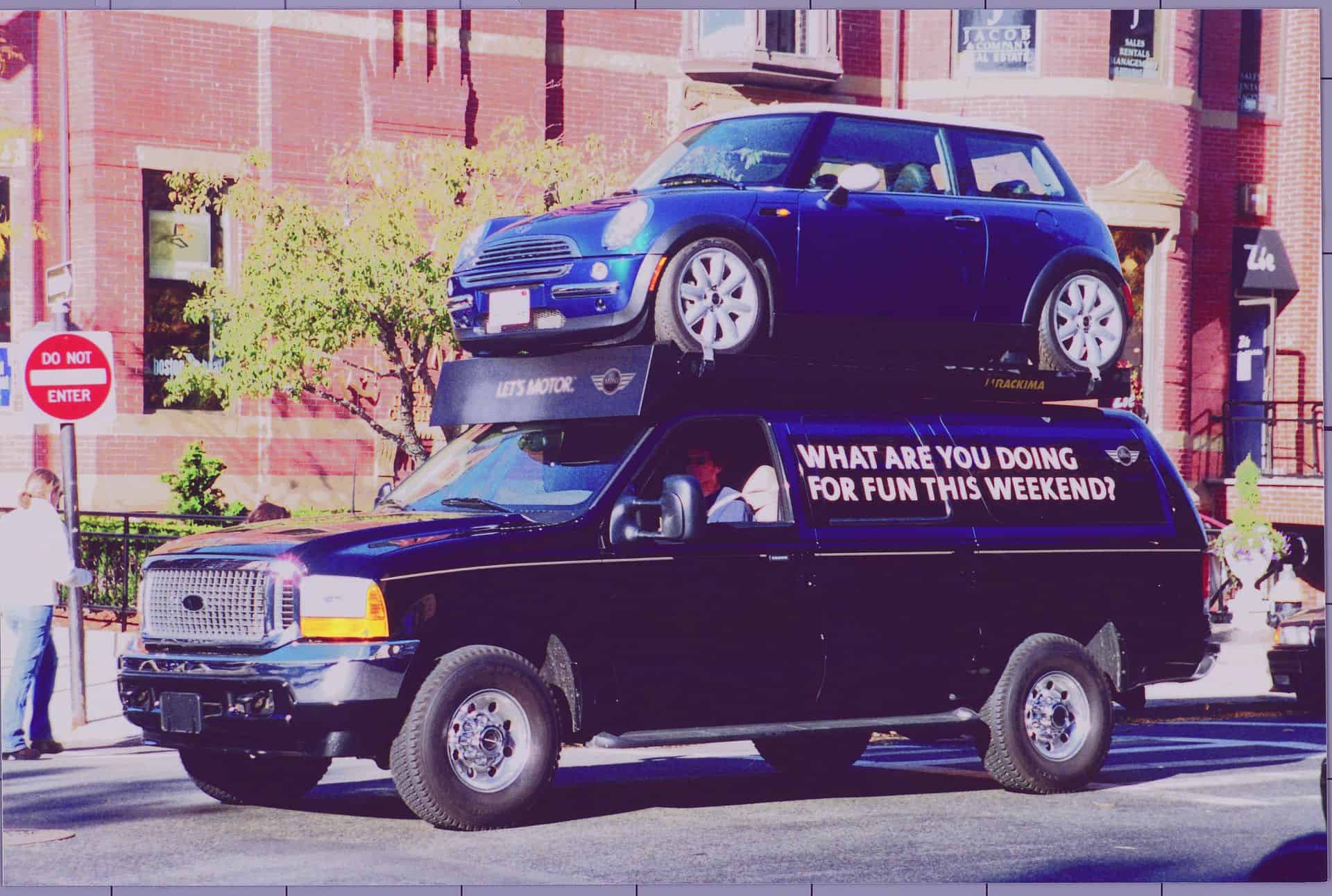
When the first modern MINI rolled off the line at Plant Oxford on April 26, 2001, nobody knew quite what to make of it. BMW had bought the wreckage of Rover six years earlier, inherited this small, scrappy British brand with an absurdly outsized reputation, and somehow decided the right move was to keep it alive. Twenty-five years later, that bet looks pretty smart.
The original Mini — lowercase, two syllables, no frills — was born in 1959 from Sir Alec Issigonis, an engineer who looked at a traffic-choked Britain and figured out you could fit four adults, a boot, and a front-wheel-drive layout into something barely longer than a dining table. It worked almost too well. Within three years, the British Motor Corporation was churning out 200,000 a year. By the mid-60s, Paddy Hopkirk was winning the Monte Carlo Rally in one, which is a bit like winning a marathon in dress shoes. The car became a genuine cultural object — not because anyone planned it that way, but because it was genuinely good and cheap and fun, which is a combination that ages well.
The BMW Ownership Era

The transition to BMW ownership was rocky in the press but ultimately conservative in practice. The Germans kept Oxford, kept the silhouette, kept the go-kart handling that made people forgive everything else. What they added was reliability, safety, and a price tag that reflected the new market position. Some people never forgave them for that. Most people bought the car anyway.
The numbers from that Oxford plant are striking in a quiet way. Since 2001, 4,671,664 MINIs have been built in Britain. A new one comes off the line every 78 seconds. The plant at Swindon, 30-odd miles west, stamps out body panels to keep Oxford fed. Together they employ more than 3,000 people. Hams Hall in North Warwickshire has produced over 4.6 million engines for the Oxford-built models since 2006. It’s a genuinely significant piece of British manufacturing, which doesn’t get talked about as much as it should.
An Ever Evolving MINI Lineup

The car itself has sprawled. What started as one model — the 3-door hatchback — now covers five variants including the Aceman, the Countryman, and the Convertible. John Cooper Works, the performance sub-brand named after the man who put the Cooper name on the original racers, sold 25,630 units in 2025, its best year ever. That’s nearly 9% of all MINIs sold, which tells you something about who’s buying these cars and why.
Electric MINIs Are Popular

More interesting, maybe, is where the brand sits on electrification. In 2025, just over a third of all MINIs sold worldwide were battery electric. In the Netherlands, Sweden, Turkey, and China, electric MINIs outsold combustion ones. That’s a significant shift for a brand whose identity is wrapped up in a particular kind of mechanical enthusiasm. Whether the go-kart feeling translates to an electric drivetrain is a debate MINI fans have loudly been having for a few years now. The company seems to think the answer is yes.

This year brings a Paul Smith edition, which is very on-brand. Smith has been designing things with a very particular British cheekiness for decades, and MINI has always leaned into exactly that register — not stuffy heritage, but playful, slightly irreverent, more interested in color than gravitas. It’s a coherent identity to have maintained across 25 years and multiple ownership regimes.
The milestone MINI is really celebrating is simpler than all the product launches and sales figures suggest. It’s that a car with a specific personality survived long enough to pass that personality down. Most attempts to revive classic automotive brands end badly — either too faithful to the original to be useful, or so updated the original becomes unrecognizable. MINI managed something genuinely unusual: it changed almost everything except the thing that made people care about it in the first place.
Whether that holds for the next 25 years is a different question. The market is moving fast, and small cars are under pressure everywhere. But a Mini won the Monte Carlo Rally in 1964 against cars twice its size. Underdogs have done okay before.